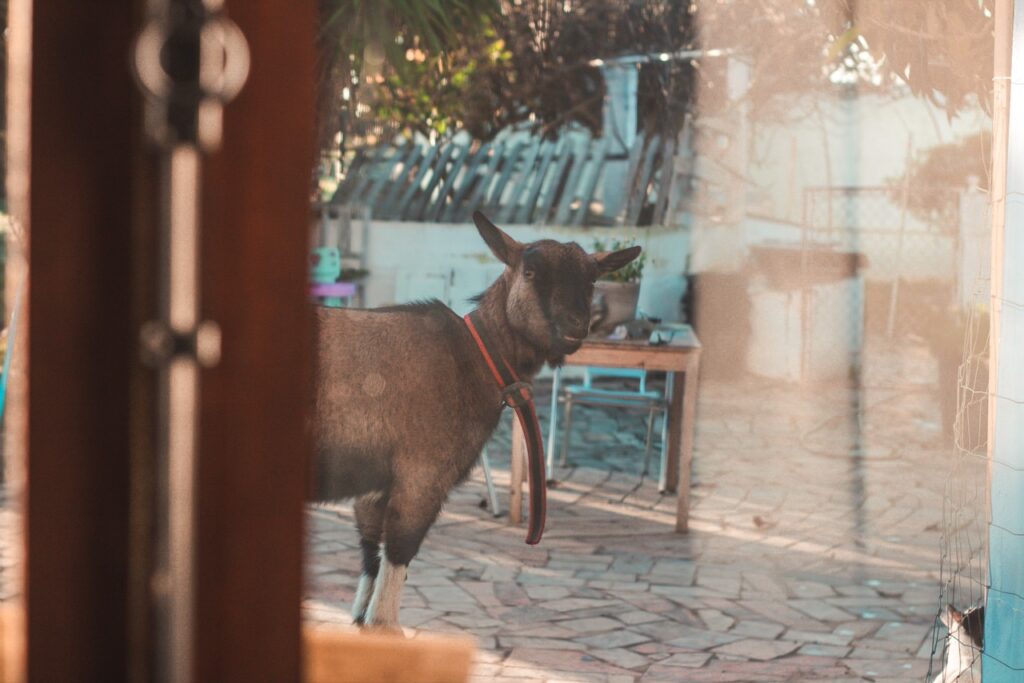
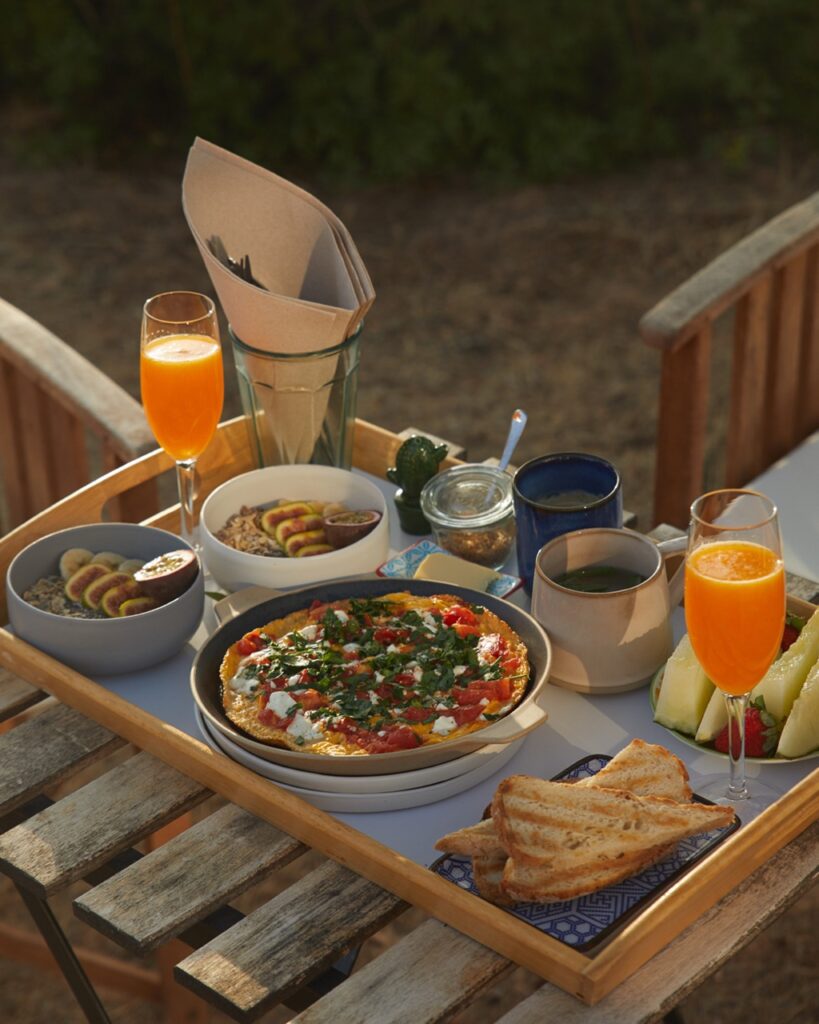
If you’ve been considering entering the hospitality industry or diversifying your farm business, there’s never been a better time to explore agritourism. Farm stays and rural accommodations are no longer niche offerings—they’re becoming one of the fastest-growing segments in the entire hospitality sector.
The Numbers Tell a Compelling Story
The agritourism market is experiencing remarkable expansion. Currently valued at approximately $8.10 billion in 2024, the sector is projected to grow at an impressive 11.9% annually through 2030. Some industry analysts are even more optimistic, forecasting the market could reach over $200 billion by 2033. This isn’t just growth—it’s a fundamental shift in how people want to travel and spend their leisure time.
Why Travelers Are Choosing Farms Over Hotels
The appeal of farm tourism goes deeper than just a change of scenery. Modern travelers, particularly younger generations, are seeking authentic experiences that connect them to nature, food origins, and simpler ways of life. They want to escape the pace of urban environments and engage in meaningful activities rather than passive vacationing.
Gen Z and Millennials are leading this charge, accounting for 61% of new outdoor accommodations users in 2024. Remarkably, Gen Z travelers are spending an average of $266 daily on these experiences, demonstrating that farm tourism attracts guests with significant spending power. These demographics prioritize unique, experience-driven travel over traditional hotel stays, and they’re willing to pay premium prices for authenticity.
From Rustic to Luxury: The Market is Evolving
What’s particularly exciting is how the farm tourism market is evolving. Traditional farm stays are transforming into premium eco-retreats, attracting not just budget-conscious travelers but affluent guests seeking upscale rural experiences. Major hotel brands like Hilton are entering the space, validating the sector’s potential and bringing professional hospitality standards to farm accommodations.
Popular experiences include overnight farm stays, farm-to-table dining experiences, educational agricultural tours, outdoor recreation like horseback riding and hiking, hands-on activities such as harvesting or animal care, and special events including farm weddings and retreats.
Substantial Financial Support Available
For farmers and rural property owners in Portugal and Spain, the timing couldn’t be better. The European Union has allocated massive funding specifically for agritourism development through various programs.
Portugal’s Support – Portugal 2030 and PDR 2020
Portugal offers some of the most attractive subsidies in Europe for rural tourism projects. Through programs like Portugal 2030 and PDR 2020, property owners can access non-refundable grants up to €400,000 per project, with financing covering up to 80% of total investment costs. Specific programs offer 40% to 50% funding depending on job creation, with grants available for investments between €10,000 and €200,000.
These funds can be used for building rehabilitation, furniture and equipment, renewable energy installations, digital marketing, and accessibility improvements. The Linha de Apoio à Qualificação da Oferta provides up to 75% financing with grace periods and subsidized interest rates, making it financially viable even for smaller operations.
Spain’s Strategic Investment
Spain has devoted €3.4 billion to the tourism sector through its Recovery, Transformation and Resilience Plan, with Component 14 specifically targeting sustainable tourism. The country manages CAP funds through 17 regional rural development programs, each offering tailored support for their autonomous communities.
Particularly noteworthy are the depopulation combat grants, offering between €2.5 million and €8 million for projects in areas with fewer than 10,000 inhabitants. These grants specifically support sustainable tourism initiatives in rural areas of Andalusia, Castilla-La Mancha, Extremadura, and Castilla y León, with applications open until July 2025.
Why This Matters for Rural Communities
Beyond individual business opportunities, agritourism represents a lifeline for rural areas facing depopulation. It provides farmers with crucial revenue diversification, especially in regions where traditional agriculture is seasonal or less profitable. Farm tourism creates local employment, preserves cultural heritage, encourages sustainable land use practices, and attracts investment to underdeveloped areas.
Both Portugal and Spain prioritize projects that combat rural depopulation, making agritourism development a strategic priority at the national and EU levels.
Getting Started: Key Success Factors
If you’re considering entering the farm tourism market, several factors will maximize your chances of success and funding approval. Location in low-density rural areas receives higher funding percentages. Sustainability elements, particularly renewable energy and environmental measures, score favorably in applications. Job creation significantly increases both funding levels and approval chances. Innovation and offering unique, differentiated experiences are highly valued. Professional business plans with solid financial projections are essential for securing grants.
The LEADER program operates throughout both countries through Local Action Groups, providing accessible entry points for farmers new to tourism. Working with consultants experienced in these applications significantly improves success rates.
The Time is Now
The convergence of strong market demand, substantial financial support, and evolving consumer preferences creates a unique window of opportunity for farm tourism development. Travelers are actively seeking the experiences farms can offer, funding is readily available, and both national and EU policies strongly support rural tourism initiatives.
Whether you’re a farmer looking to diversify income, a rural property owner considering hospitality, or an investor seeking opportunities in the hospitality sector, farm tourism represents one of the most promising growth areas for the coming years.
The question isn’t whether farm tourism will grow—it’s whether you’ll be part of this exciting transformation of rural hospitality.
Useful Resources and Links
Portugal Resources
Official Government Programs:
- IFAP – Instituto de Financiamento da Agricultura e Pescas – Main agency for agricultural and rural development funding
- Portugal 2030 Official Website – €23 billion EU funding program
- Turismo de Portugal – National tourism authority
- Portuguese Government Agriculture Portal – Ministry of Agriculture information
Consultancy and Information:
- Mercal Turismo – Rural Tourism Support – Up-to-date information on open calls and applications
- Portugal Farm Experience – Examples of agritourism activities
Spain Resources
Official Government Programs:
- Spain’s CAP Strategic Plan – European Commission page on Spain’s CAP
- Ministry of Agriculture (MAPA) – Spanish Ministry of Agriculture, Fisheries and Food
- FEGA – Spanish Agricultural Guarantee Fund – Agricultural funding agency
- Red PAC Spain – Spanish CAP Network connecting rural stakeholders
Regional and Local Resources:
- EU CAP Network – Spain – Comprehensive information on Spain’s rural development programs
- Spain.info – Agrotourism Guide – Official Spain tourism information on agritourism
- Agroturismo España – Directory of Spanish agritourism accommodations
European Union Resources
General EU Funding Information:
- European Agricultural Fund for Rural Development (EAFRD) – Main EU rural development fund
- EU Rural Development Network – Information on LEADER programs and rural development across Europe
Finding Your Local LEADER Group
Both Portugal and Spain have extensive networks of Local Action Groups (LAGs) under the LEADER program. These groups provide localized support and grants for agritourism projects. Contact your regional agricultural authority or search for “LEADER” + your region name to find your nearest LAG.
Interested in exploring agritourism funding opportunities in your region? Contact your local LEADER group, IFAP in Portugal, or your Autonomous Community’s Department of Agriculture in Spain to learn about current grant opportunities and application deadlines.