Running a small hotel, guest house, or glamping site means you are always in “problem‑solving mode”: late check‑ins, heating, lights, cleaners, messages, that one water heater with a personality. Smart automation with ‘Home Assistant’ won’t replace your team, but it can quietly support you in the background—and turn smoother stays into better reviews and more loyal guests.hostabnb+1
This is the first part of a small series I’m putting together on using Home Assistant, automation and voice in hospitality. In the next parts I’ll go deeper into concrete setups, voice assistants and real‑world examples you can copy.
If you prefer to watch or listen, I’ve also recorded a short video and a podcast episode where I walk through these ideas in a more informal way.
Why This Matters For Small Hospitality
Big brands have full teams and “guest experience platforms.” You and I don’t. But your guests still expect:
- A comfortable room at arrival.
- Easy, modern access (no drama with keys).
- A sense that things are under control and well cared for.
Automation helps with exactly these points:
- Rooms pre‑heat or cool before check‑in, instead of reacting after guests complain.lightnowblog+1
- Lights and devices behave in a simple, predictable way.
- You get early warnings about problems, long before they end up in a review.[prostay]
‘Home Assistant’ works well here because it runs locally, doesn’t need expensive licenses, and connects to many different devices—locks, thermostats, sensors, media, even scent diffusers.yabune-home+1
How It Works In Practice (No Buzzwords)
I like to design from the guest’s journey, then map tech to it.
Before arrival
We connect Home Assistant to your booking calendar or PMS. When a stay is coming, the room, cabin or dome moves from “idle” to “prepare”: temperature adjusts, key or code is ready, outside lights for the path or entrance come on if it’s dark.linquist+1
During the stay
Controls stay simple and human:
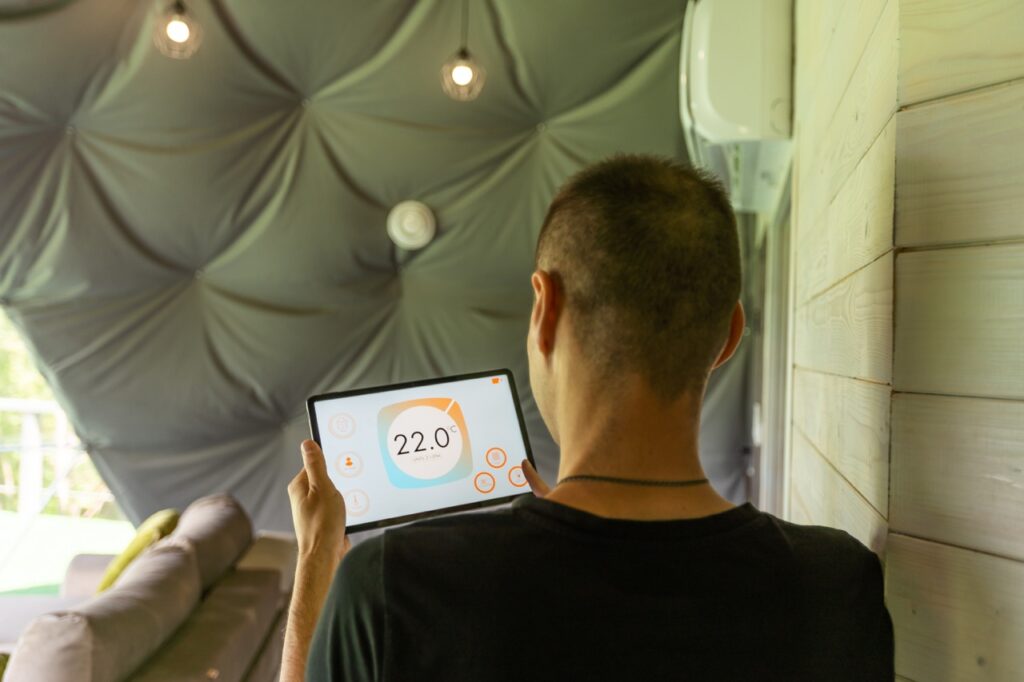
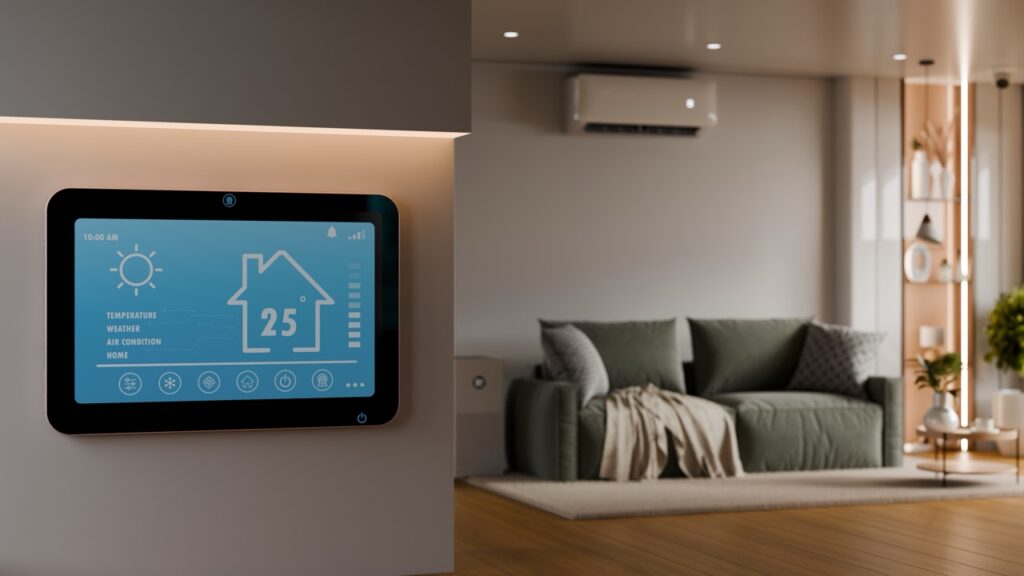
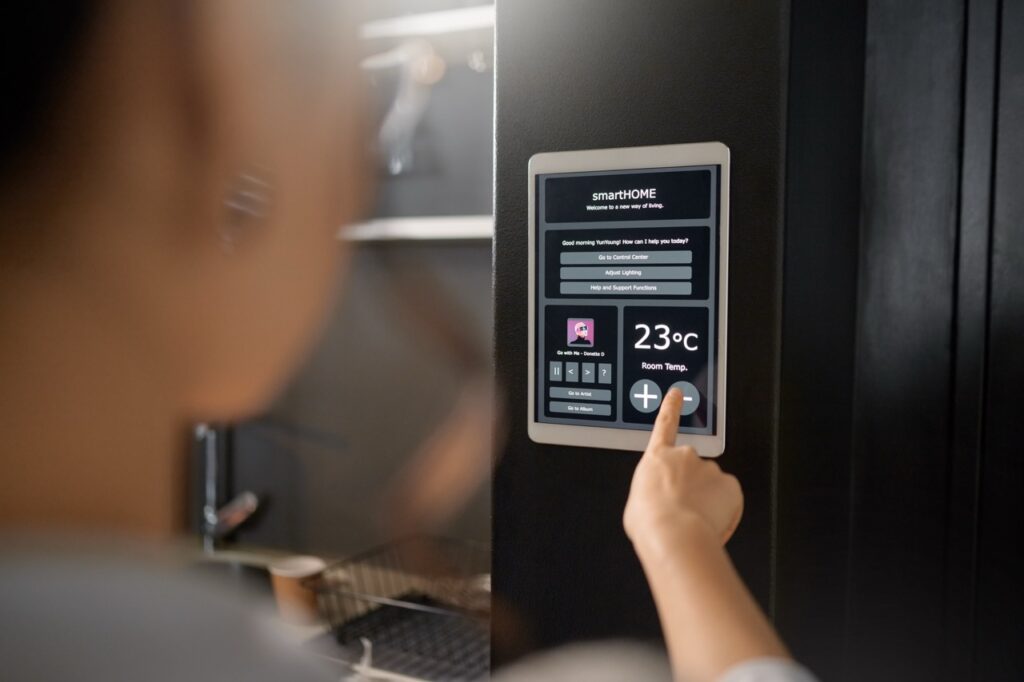
- A wall button or tablet or Tv screen with scenes like “Welcome”, “Relax” and “Good night”.
- Motion‑based lights in places where it’s natural (bathroom, corridor, exterior paths).
- Climate that stays in a comfortable band instead of wild swings.[lightnowblog]
Behind the scenes, Home Assistant also looks after energy and resources. If there is no motion for a while and the door locks, or if windows are open, it can ease back heating/cooling, turn off unused lights and even put TVs into low‑power mode.switchhotelsolutions+1
After checkout
When the system knows the guest has left for good and the code is no longer valid, the room moves to an “eco and safe” mode: power‑hungry devices off, temperature lowered but frost‑safe, any forgotten lights or sockets off.hostabnb+1
You save on energy and extend equipment life—good for costs and for sustainability goals.hdlautomation+2
A Few Concrete Use Cases
Here are several patterns that work especially well for small hotels and glamping.
1. Self check‑in that still feels personal
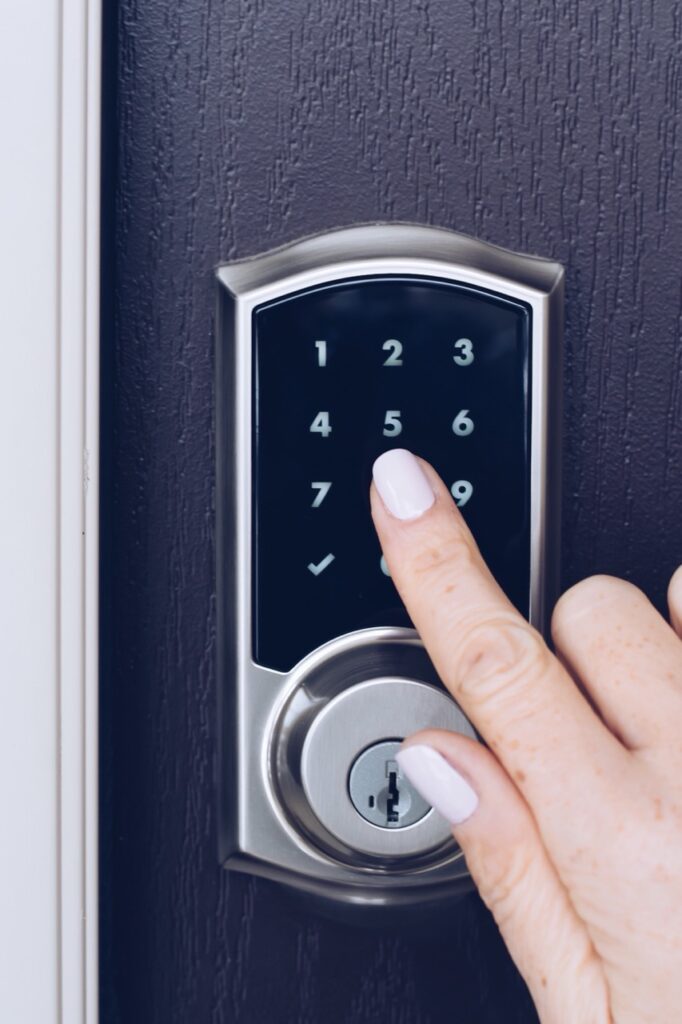
- Auto‑generated smart‑lock codes based on the booking, sent to the guest with clear instructions. Codes activate at check‑in time and expire after checkout.linquist+1
- When the code is used the first time, Home Assistant can: turn on a welcome scene, adjust temperature, enable a small “welcome” message on a screen or e‑paper display with their name and useful info.reddit+1
Guests feel independent and cared for at the same time, and late arrivals stop being a stress event for you.rentalready+1
2. Energy and water management with sustainability in mind
- Occupancy‑aware HVAC: heating or cooling tracks presence and booking data, so you are not conditioning empty spaces.group+2
- Window and door sensors: AC or heating cuts back if windows are open, then resumes when they close.hdlautomation+1
- Smart irrigation and leak detection: sensors keep an eye on outdoor areas and plumbing, catching leaks early and optimising irrigation schedules.prostay+1
Hotels using smart energy systems report savings of 20–45% on energy while keeping comfort levels high, which also helps reach eco or certification targets your guests increasingly care about.hoteltechnologynews+2
3. Layered guest experience: light, sound and scent
Now the more fun part—shaping moments, not only saving kilowatts.
On arrival
- Room or pod is already at a comfortable temperature.
- As the door opens, lights come on in a warm, indirect way.
- Background nature sound fades in softly: forest, birds, or gentle stream, depending on your theme.
- A subtle scent diffuser can add a “signature” smell for your brand.lightnowblog+1
At night
- A “Good night” button or voice command dims lights, starts an ocean or falling‑rain sound for a limited time, and switches the diffuser to a relaxing scent.
- Heating nudges down a little so the room feels cosy, not hot, and non‑essential sockets go off.
In the morning
- Lights slowly brighten instead of snapping on.
- A gentle wake‑up sound replaces alarms—maybe soft music, maybe nature again.
- The diffuser can switch to a fresh scent to help guests wake up smoothly.
For guests, this feels like you’ve designed an experience, not only a room.
4. Voice assistants as a friendly layer
Voice makes a lot of this more accessible, especially for guests not used to smart homes.
Typical in‑room voice use:
- “Start movie night” → dim lights, close blinds, power on TV or projector with the right input, maybe mute other sounds.
- “What’s the weather tomorrow?” → gives them a quick outlook to plan hikes or city trips.mashable+1
- “What should we see nearby?” → you can pre‑configure suggestions for your favourite local spots so guests get your curated answers, not random search results.ensoconnect+1
- “Call reception” or “request fresh towels” → Home Assistant turns that into a notification or task for staff.
Used this way, voice is less about tech show‑off and more about answering common questions and helping guests relax.
The Takeaway
For small places like yours, automation with Home Assistant is not about turning your property into a gadget showroom. It’s about:
- making stays smoother and more comfortable
- cutting waste and supporting sustainability goals
- and giving you a bit more headspace to focus on real hospitality
You can start small: one or two units, basic self check‑in, simple energy control, maybe a “welcome” and “good night” scene. From there we can add layers—sound, scent, and voice—at a pace that fits your budget and your style.
In the next parts of this series, I’ll dive into more detailed use cases for boutique hotels and glamping, show real setups other hosts use, and then look at how voice assistants can act as a practical, friendly “digital concierge” on top of everything else.
What is Home Assistant?
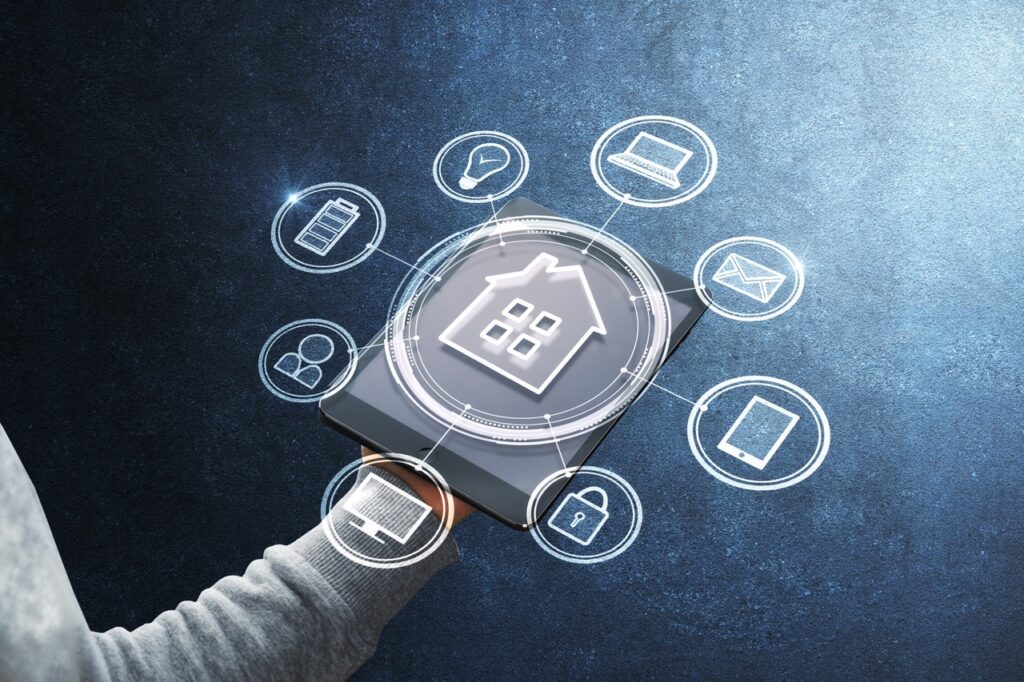
Home Assistant is an open‑source home automation platform that usually runs on a small box on‑site (for example a mini PC, Raspberry Pi, or similar device). It connects to your lights, thermostats, locks, sensors, speakers and other smart devices, and lets you control and automate them from one place.
Because it runs locally, you stay in control of your data and your system keeps working even if the internet is down. For small hotels, guest houses and glamping sites, this means you can build “big hotel” automations without paying for a large cloud subscription or being locked into a single vendor.
You can watch the video version of this topic here: [Video link]
Or listen to the podcast episode while you’re on the road: [Podcast link]